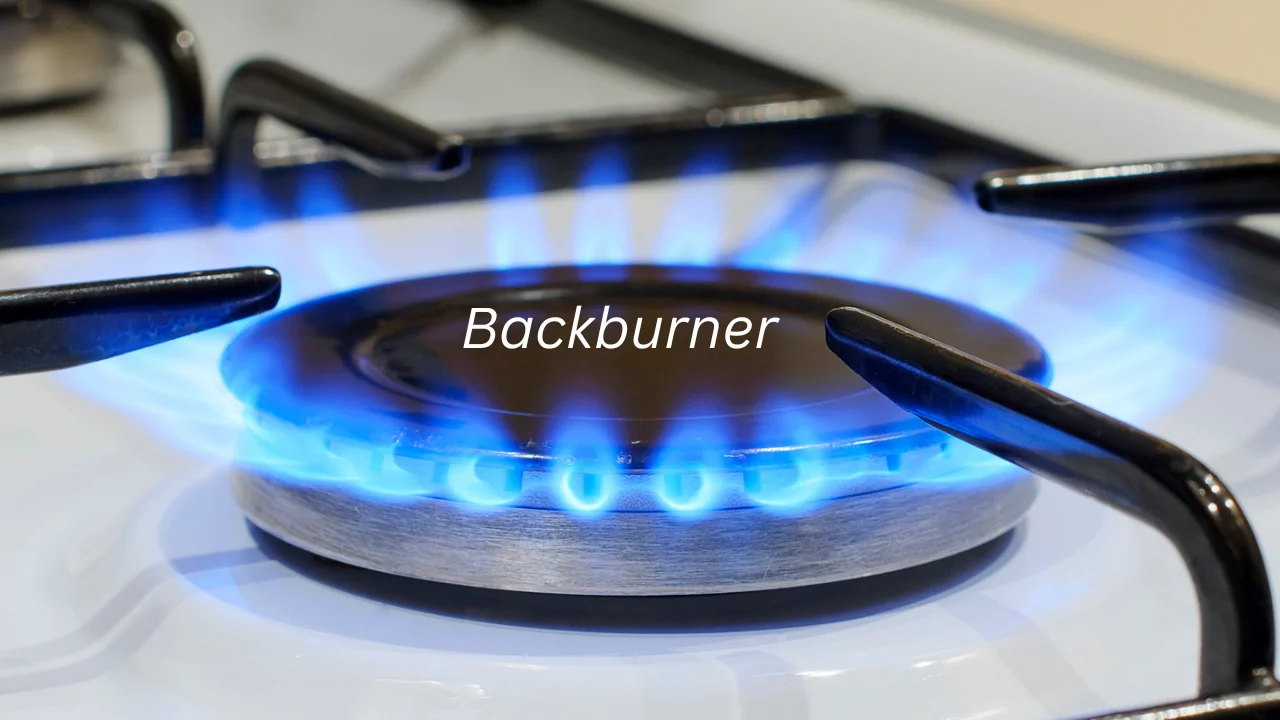
The phrase “backburner meaning” often comes up in conversations, especially when people talk about priorities, relationships, or projects. It’s a common expression used in both personal and professional settings, but what does it really mean? Let’s explore the term’s origin, its emotional and practical uses, and how it applies in modern life.
What Does Backburner Mean?
The backburner meaning refers to something or someone being set aside temporarily while attention is focused elsewhere. When you put something “on the backburner,” it doesn’t mean it’s forgotten—it just means it’s not a top priority right now.
For example, if someone says, “I’ve put my fitness goals on the backburner,” they’re saying they plan to return to them later, but other matters are currently more important. The expression implies postponement, not abandonment.
ALSO READ: Markets Review A Reliable Forex Broker
Origin of the Term “Backburner”
The phrase comes from cooking. A stovetop has both front and back burners. Cooks often place dishes that need less attention on the back burner while keeping active dishes that require frequent stirring or monitoring on the front ones.
Over time, this simple kitchen term evolved into a metaphor for prioritization. Just as a chef manages several pots, people manage multiple goals or relationships—some require immediate attention, while others can “simmer” until later.
So, when you understand the backburner meaning, you realize it’s not negative—it’s about focus, balance, and timing.
Backburner in Relationships
One of the most discussed uses of backburner meaning relates to relationships. When someone says they’re being “kept on the backburner,” it often implies they feel secondary or like an option rather than a priority.
In romantic terms, being “on the backburner” can mean one partner keeps another around for emotional comfort or future potential while focusing on other people or goals.
This dynamic can create feelings of frustration or neglect. It’s important to communicate honestly about priorities and expectations. Knowing the backburner meaning helps people identify these situations and set healthy boundaries.
ALSO READ: Does DFA Accept NSO Birth Certificate 2025
Backburner in Career and Work Life
In professional settings, projects or ideas are often placed on the backburner. This happens when teams need to focus on urgent tasks first.
For example, a company might say, “The marketing campaign is on the backburner until next quarter.” That means it’s postponed—not canceled.
Understanding the backburner meaning in work environments helps employees stay organized and patient. It reflects smart time management, allowing people to focus on what truly matters in the moment while keeping future goals alive.
Emotional Impact of Being on the Backburner
Being placed on the backburner can have emotional consequences, especially in relationships or friendships. People may feel overlooked, undervalued, or unimportant.
However, context matters. Sometimes, putting something on the backburner is an act of practicality, not rejection. For instance, a friend may be busy with school or work but still care deeply about you.
The backburner meaning carries emotional nuance—it can feel negative if communication is lacking, but it can also represent patience and respect for timing.
Signs You’re on the Backburner
Here are a few signs that you might be on someone’s backburner:
- They only contact you when it’s convenient.
- Plans often get postponed or forgotten.
- They avoid committing to clear plans or decisions.
- You feel you’re putting in more effort than they are.
Recognizing these patterns can help you assess whether the backburner meaning in your life is temporary or an ongoing problem. Self-awareness leads to healthier decisions and emotional well-being.
How to Handle Being on the Backburner
If you realize you’ve been placed on someone’s backburner, take a step back and think about your priorities.
Ask yourself:
- Is this situation fair to me?
- Am I being patient or settling?
- Does the other person communicate their reasons honestly?
In some cases, it’s okay to wait. But if being on the backburner causes pain or confusion, it may be time to re-evaluate. Knowing the backburner meaning empowers you to make decisions based on self-respect, not dependency.
Putting Things on the Backburner: When It’s Healthy
Not all backburner situations are negative. In fact, the concept can be very healthy.
Here are examples of when putting something on the backburner is beneficial:
- Self-growth: Taking a break from a goal to focus on mental health.
- Project management: Prioritizing urgent work before long-term projects.
- Relationships: Allowing space and time for personal growth before commitment.
Understanding the backburner meaning helps differentiate between temporary pause and permanent neglect. It’s about choosing wisely where to place your energy.
The Backburner Mindset in Modern Society
In today’s fast-paced world, multitasking is common. People juggle work, relationships, hobbies, and personal goals—all competing for attention.
Because of this, the backburner meaning feels more relevant than ever. We constantly prioritize tasks, placing some “on hold” until we have time or energy to revisit them.
The backburner mindset isn’t just about delay—it’s about managing resources efficiently. The key is balance: ensuring that what matters most doesn’t stay on the backburner for too long.
Backburner in Pop Culture and Media
Movies, TV shows, and songs often explore the idea of being “on the backburner.” It’s a relatable concept because everyone has felt deprioritized at some point—whether in love, work, or friendship.
For example, romantic dramas frequently show one character waiting while another focuses on a different relationship or goal. The audience immediately understands the backburner meaning—the pain of being sidelined but not forgotten.
This emotional depth makes the expression powerful in storytelling and songwriting.
How to Move Something Off the Backburne
Sometimes, it’s time to bring a goal or relationship back to the front burner. Here’s how:
- Reassess priorities: Decide what truly matters now.
- Make time: Dedicate focused energy toward the person or project.
- Communicate intentions: If it involves others, explain your renewed focus.
- Take small steps: Start gradually to rebuild consistency and trust.
By applying the backburner meaning thoughtfully, you can bring balance back into your life and ensure your priorities align with your goals.
The Positive Side of the Backburner
While the word can sound negative, the backburner concept has many positives. It allows for reflection, growth, and strategic focus.
Sometimes, putting something aside gives you space to gain perspective. When you return to it later, you’re often better equipped to succeed.
The backburner meaning reminds us that delay doesn’t equal defeat—it can be a sign of maturity and self-awareness.
Common Phrases Related to Backburner
To better understand the backburner meaning, here are similar phrases used in English:
| Phrase | Meaning |
|---|---|
| Put on hold | Temporarily stop or delay something |
| Set aside | Reserve for later attention |
| Take a rain check | Postpone a plan or invitation |
| Put off | Delay an action or decision |
| Simmer down | Let emotions or situations cool before acting |
These phrases reflect similar ideas of patience, timing, and focus.
The Psychology Behind the Backburner Concept
Psychologists often relate the backburner meaning to emotional regulation and time management. Humans naturally prioritize tasks based on urgency and reward.
We can’t give full attention to everything at once, so our brains subconsciously “shelve” some things. This mental process prevents burnout and overload.
However, problems arise when important emotional connections or goals remain on the backburner too long. Over time, neglect can lead to regret or lost opportunities.
Backburner vs. Abandonment
It’s important to distinguish between putting something on the backburner and completely abandoning it.
- Backburner: Temporary pause with intent to return.
- Abandonment: Permanent disinterest or disengagement.
Understanding this difference helps interpret the backburner meaning correctly. It’s not about quitting—it’s about strategic waiting or delayed attention.
How to Use “Backburner” in Sentences
To make the concept clearer, here are some examples:
- “I’ve put my travel plans on the backburner until next year.”
- “He’s keeping that job opportunity on the backburner for now.”
- “She felt like he had her on the backburner while exploring other options.”
- “The team placed the new feature on the backburner to focus on urgent bugs.”
Each example captures the flexible and situational nature of the backburner meaning.
Frequently Asked Questions
Does putting something on the backburner mean giving up?
No. It means delaying focus, not ending interest. It’s a temporary decision based on priorities.
Is being on someone’s backburner always bad?
Not always. It can be situational—sometimes people need space or time before returning their focus.
Can goals stay on the backburner too long?
Yes. If a goal remains ignored for too long, motivation and opportunity can fade.
Conclusion
The backburner meaning teaches us about patience, awareness, and emotional balance. Whether in love, work, or personal development, life often demands that we focus on one thing at a time.
Putting something on the backburner isn’t failure—it’s strategy. The key is not letting it stay there forever. Revisit, reassess, and reignite what truly matters when the time is right.
By understanding and applying the backburner meaning thoughtfully, you create space for growth, clarity, and success in every aspect of life.