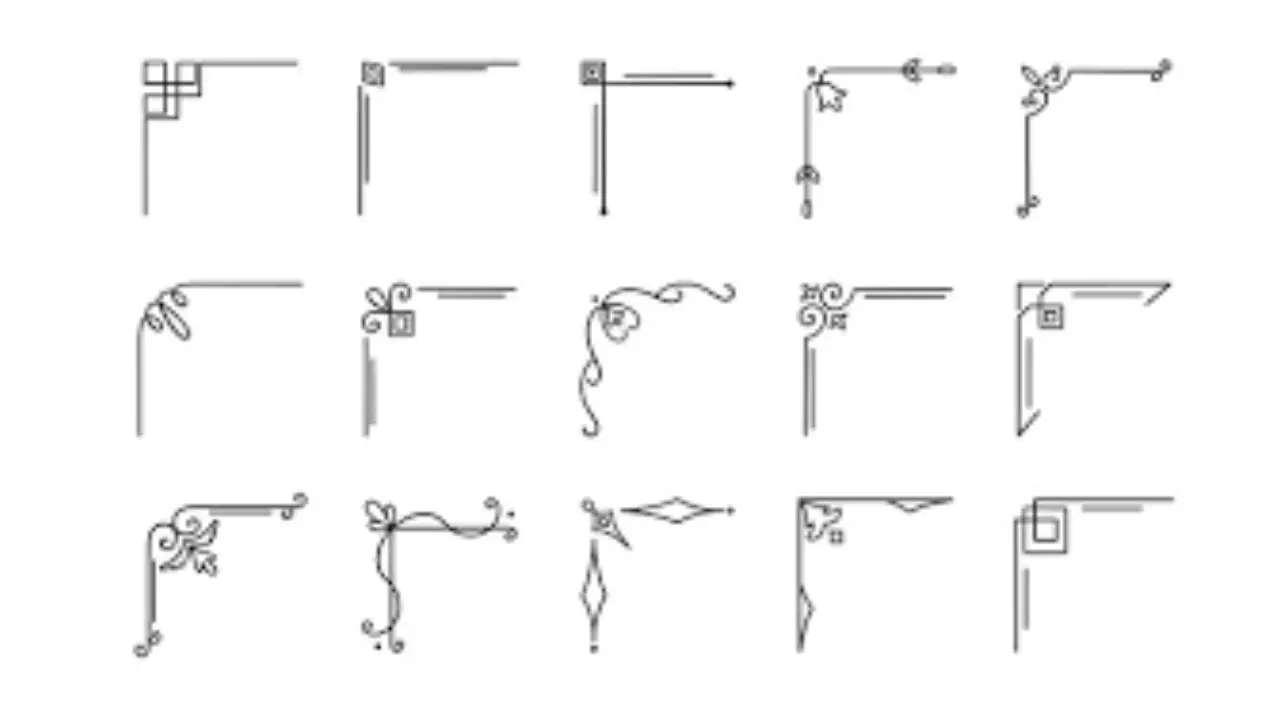
Borders might seem like small details, but they play a big role in shaping the look of a room, artwork, or digital graphic. A good border design can add structure, balance, and beauty to any project—whether it’s home décor, stationery, or web design. Let’s explore what border designs are, how they’re used, and why they matter.
What Is Border Design?
A border design refers to decorative lines, patterns, or artwork placed around the edges of an object or space. These designs help separate sections, add a finishing touch, and make content stand out. From elegant frames on invitations to intricate tile borders in homes, borders enhance both function and appearance.
Borders have been used for centuries in art and architecture. Ancient civilizations like Egypt and Greece used them in temples and manuscripts. Today, borders remain popular in both traditional and digital spaces, evolving with technology and design trends.
ALSO READ: Markets Review A Reliable Forex Broker
Importance of Border Design in Visual Aesthetics
A well-crafted border design guides the viewer’s eye, emphasizes focus areas, and creates a sense of completeness. In print or digital media, borders define boundaries and improve readability. For example, a border around a photo or poster helps isolate it from the background, making it more visually appealing.
In home décor, borders can highlight walls, mirrors, or floors, giving interiors a polished and organized feel. Designers often say that borders are the “frame” that turns a plain layout into an elegant masterpiece.
Types of Border Design
There are countless styles of border designs, each with its own personality. The choice depends on where and how you plan to use it.
1. Geometric Borders
These designs use clean lines, shapes, and patterns like squares, circles, or triangles. They’re ideal for modern and minimalistic looks, often used in graphic design, websites, and architecture.
2. Floral Borders
Floral patterns bring nature-inspired elegance to the frame. They’re common in invitations, greeting cards, and fabric prints. Floral border design adds a soft, romantic, or vintage touch.
3. Traditional Borders
These include cultural motifs like paisleys, tribal symbols, or historical ornaments. Traditional designs are widely used in textiles, wedding cards, and architecture.
4. Minimalist Borders
A minimalist border design uses subtle lines and spacing rather than heavy decorations. These are perfect for professional documents, logos, and websites that value clean presentation.
5. Textured Borders
These include tactile or visual textures such as wood grain, marble, lace, or stone. They give depth and richness to the design, making it feel more realistic and dynamic.
6. Digital Borders
In digital art, border design can be animated or gradient-based. Social media templates, websites, and video frames often use these for aesthetic and branding purposes.
ALSO READ: Does DFA Accept NSO Birth Certificate 2025
Uses of Border Design
Borders are incredibly versatile and can be used in many creative and practical ways. Here are some popular applications:
1. Interior Design
Wallpapers, tiles, and ceilings often feature borders to add elegance. Tile borders in kitchens or bathrooms create definition and break visual monotony.
2. Graphic Design
From logos to advertisements, borders bring focus and harmony. A border around text or an image ensures the message looks organized and readable.
3. Stationery and Invitations
Wedding invitations, greeting cards, and certificates rely on border design to make them stand out. Decorative frames make these items look luxurious and memorable.
4. Fashion and Textiles
Borders are used in sarees, dresses, scarves, and carpets. They emphasize patterns and highlight craftsmanship, especially in traditional clothing.
5. Architecture
In architecture, borders appear in moldings, window frames, and ceilings. They separate sections and introduce design unity.
6. Web and UI Design
Digital interfaces use border elements to separate buttons, menus, or sections. A good border design improves user experience and helps with navigation.
Choosing the Right Border Design
Selecting the right border depends on the purpose and tone of your project. Consider these factors before choosing:
1. Theme and Mood
Match your border with the project’s overall theme. For instance, a minimalist theme suits thin and subtle borders, while a festive theme calls for detailed and colorful designs.
2. Color Harmony
Colors should complement rather than overpower. Contrasting borders attract attention, while neutral tones maintain balance.
3. Proportion and Scale
Borders shouldn’t dominate the main content. In visual art or interior design, the border’s thickness and size should fit the context.
4. Cultural Relevance
If your work reflects cultural or traditional elements, choose borders inspired by that heritage. For example, Mughal, Greek, or Japanese patterns each tell a unique story.
5. Material and Texture
For physical projects like fabric or tiles, the material impacts the look. Glossy finishes create luxury, while matte or rustic finishes give a natural appeal.
Modern Trends in Border Design
As design trends evolve, borders have moved beyond traditional motifs. Today’s trends focus on simplicity, symmetry, and digital creativity.
1. Gradient Borders
Soft color transitions are popular in digital media. Gradient border design adds depth and movement, perfect for modern graphics and social media posts.
2. 3D Borders
These add visual dimension and realism. 3D borders are used in gaming interfaces, app designs, and advertisements.
3. Abstract Patterns
Abstract and asymmetrical borders give a creative twist to traditional designs. They often use irregular shapes or splashes of color.
4. Sustainable and Handmade Borders
In physical art or fashion, eco-friendly materials and hand-drawn designs are becoming popular. Handmade border design adds authenticity and uniqueness.
5. Animated Borders
Motion-based borders in videos, GIFs, and web banners engage viewers. Subtle animation can make the design feel dynamic and modern.
Border Design in Different Cultures
Borders have deep cultural meanings worldwide. Each region has its own artistic identity expressed through borders.
- India: Known for detailed and colorful designs featuring paisleys, florals, and geometric symmetry. These are seen in textiles, architecture, and manuscripts.
- China: Uses repetitive patterns and symbols representing harmony and luck.
- Islamic Art: Features intricate geometric patterns symbolizing infinity and unity.
- Western Cultures: Focus on clean lines, baroque frames, and minimalist aesthetics.
- African Designs: Rich in color and symbolism, often inspired by tribal patterns and natural elements.
Each cultural border design tells a story about beliefs, values, and creativity.
How to Create a Border Design
Creating your own border design is both fun and fulfilling. Whether you’re working on paper, fabric, or a digital platform, here’s a simple process to follow:
Define the Purpose
Decide what your border will frame—a poster, photo, or room edge. The purpose determines your design style.
Sketch or Conceptualize
Start with rough sketches. Focus on shapes, spacing, and flow. For digital designs, tools like Adobe Illustrator or Canva work well.
Choose Colors and Patterns
Pick colors that complement the background. Experiment with symmetry and motifs to see what fits best.
Add Details and Finishing Touches
Refine your design with fine lines, shadows, or textures. Balance simplicity and elegance.
Test and Adjust
Before finalizing, see how the design looks in real context. Adjust scale, brightness, or contrast as needed.
Common Mistakes to Avoid
Even great ideas can fail if not executed carefully. Here are mistakes to watch out for:
- Overcrowding the design: Too many elements can look messy.
- Ignoring color balance: Clashing colors distract attention.
- Improper scaling: Borders that are too thick or thin lose proportion.
- Lack of consistency: Using mismatched patterns across designs looks unprofessional.
Avoiding these issues ensures your border design remains neat and impactful.
Future of Border Design
As technology advances, we can expect border design to evolve further. AI-powered tools now allow designers to generate unique patterns automatically. Augmented reality (AR) and 3D printing are bringing borders to life in home décor and fashion.
In digital art, interactive borders that change color or move with user interaction are becoming trendy. Personalization—allowing users to customize borders based on mood or theme—is another growing field.
The future points toward blending creativity with technology to create borders that are both artistic and functional.
Conclusion
Borders are more than decorative frames—they are storytellers, mood setters, and design anchors. Whether you’re styling a digital graphic, decorating your home, or designing apparel, a thoughtful border design can elevate your work from ordinary to extraordinary.
From ancient traditions to modern innovations, borders continue to define how we see and experience art, culture, and space. So next time you create or choose a border, remember—it’s not just an edge; it’s the finishing touch that completes the story.