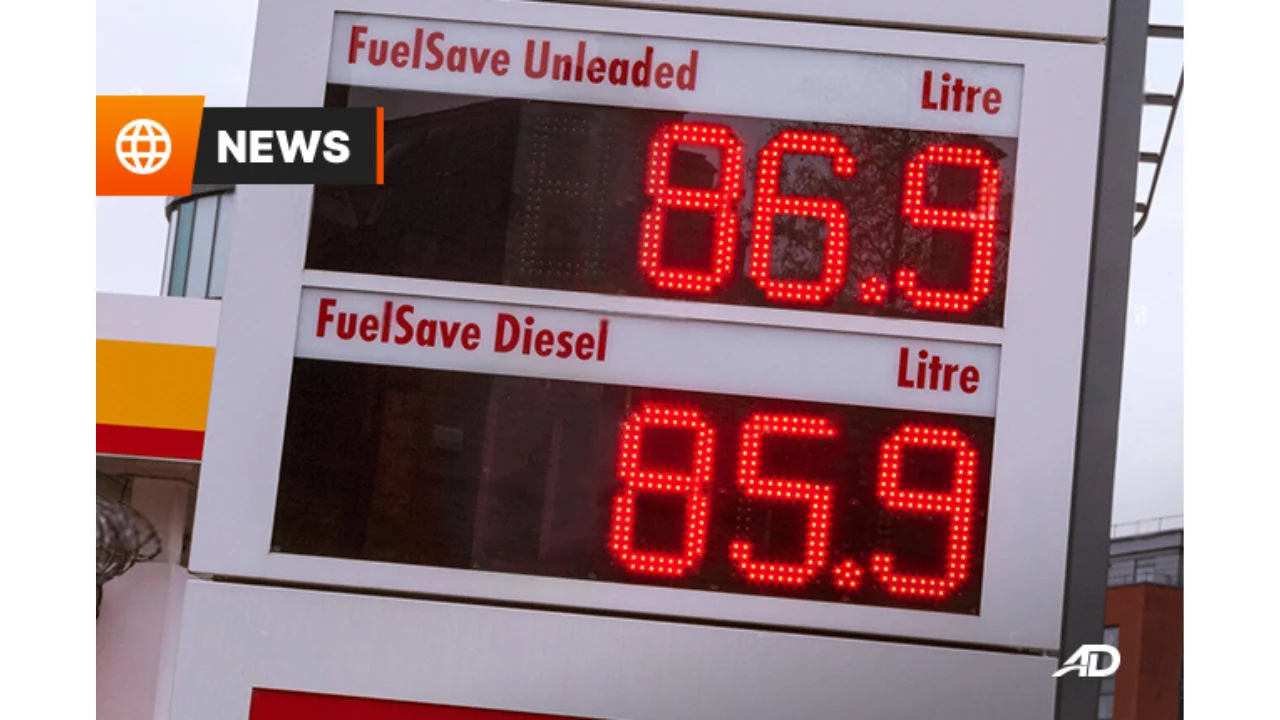
Diesel is one of the most important fuels in the modern economy. It powers trucks, buses, ships, farm equipment, and backup generators, making it essential for transportation, agriculture, and industry. Because of this wide usage, diesel fuel prices often have a direct and indirect impact on nearly everyone. When diesel becomes more expensive, the cost of goods, services, and even food tends to rise.
Understanding how diesel pricing works can help consumers and businesses prepare for fluctuations and make smarter financial decisions.
What Are Diesel Fuel Prices and Why Do They Matter?
At the most basic level, diesel pricing reflects how much it costs to produce, transport, and sell diesel fuel. However, diesel fuel prices are more complex than they appear at the pump. They influence shipping rates, public transportation costs, and overall inflation.
ALSO READ: Markets Review A Reliable Forex Broker
Since diesel is heavily used in freight transport, even a small increase can raise the price of products on store shelves. This makes diesel an important economic indicator and a closely watched commodity.
The Role of Crude Oil in Diesel Pricing
Crude oil is the primary raw material used to produce diesel. Global oil prices play a major role in determining diesel fuel prices, as refineries must pay more when oil becomes scarce or difficult to extract.
Geopolitical tensions, production cuts by oil-producing countries, and disruptions to supply routes can all cause oil prices to rise. When that happens, diesel usually follows. On the other hand, when oil production increases or demand falls, prices may stabilize or decline.
Refining and Supply Chain Factors
Not all refineries produce diesel at the same capacity. Diesel requires specific refining processes, and limited refinery availability can lead to shortages. When refineries shut down for maintenance or experience unexpected outages, diesel supply can tighten quickly.
Transportation and storage also affect diesel fuel prices. Diesel must be moved from refineries to terminals and then to fuel stations, often over long distances. Any disruption in this supply chain, such as extreme weather or labor shortages, can push prices higher.
ALSO READ: Does DFA Accept NSO Birth Certificate 2025
Seasonal Demand and Its Impact
Diesel demand changes throughout the year. In agricultural regions, demand rises during planting and harvest seasons when farming equipment consumes large amounts of fuel. In colder climates, diesel is also used as heating oil, increasing consumption during winter months.
These seasonal patterns often cause diesel fuel prices to rise when demand peaks, especially if fuel inventories are already low. During slower periods, prices may ease, but they rarely return to long-term lows.
Government Taxes and Environmental Regulations
Taxes play a significant role in diesel pricing. Many governments apply higher taxes to diesel compared to gasoline, while others subsidize it to support key industries like farming and transportation.
Environmental regulations also influence diesel fuel prices. Cleaner diesel blends with lower sulfur content are more expensive to produce, but they reduce harmful emissions. While these regulations improve air quality, they can add to production costs and affect what consumers pay.
Economic Growth and Freight Demand
Diesel is closely tied to economic activity. When economies grow, construction increases, goods move faster, and shipping volumes rise. This leads to higher diesel consumption and often higher diesel fuel prices.
During economic slowdowns, freight movement typically decreases, which can reduce demand for diesel. However, global factors can still keep prices elevated even when local demand weakens.
How Diesel Prices Affect Consumers and Businesses
For businesses that rely on transportation, fluctuating diesel fuel prices can significantly impact operating costs. Trucking companies often pass these costs on to customers through fuel surcharges, which eventually affect retail prices.
Consumers may not always notice diesel price changes directly, but they feel the impact through higher food costs, delivery fees, and service prices. This makes diesel pricing an important factor in everyday living expenses.
The Future Outlook for Diesel Fuel Prices
While renewable energy and electric vehicles are growing, diesel will remain essential for heavy-duty transport and industrial use for many years. Global demand, oil market trends, and environmental policies will continue to shape diesel fuel prices in the future.
Understanding these dynamics can help individuals and businesses stay informed and better prepared for changes in the energy market.
Conclusion
Diesel remains a backbone of modern economies, supporting transportation, agriculture, and industrial operations worldwide. As a result, changes in diesel fuel prices extend far beyond fuel stations, influencing the cost of goods, services, and daily living. From crude oil markets and refining capacity to seasonal demand and government regulations, many interconnected factors shape how diesel prices move over time.