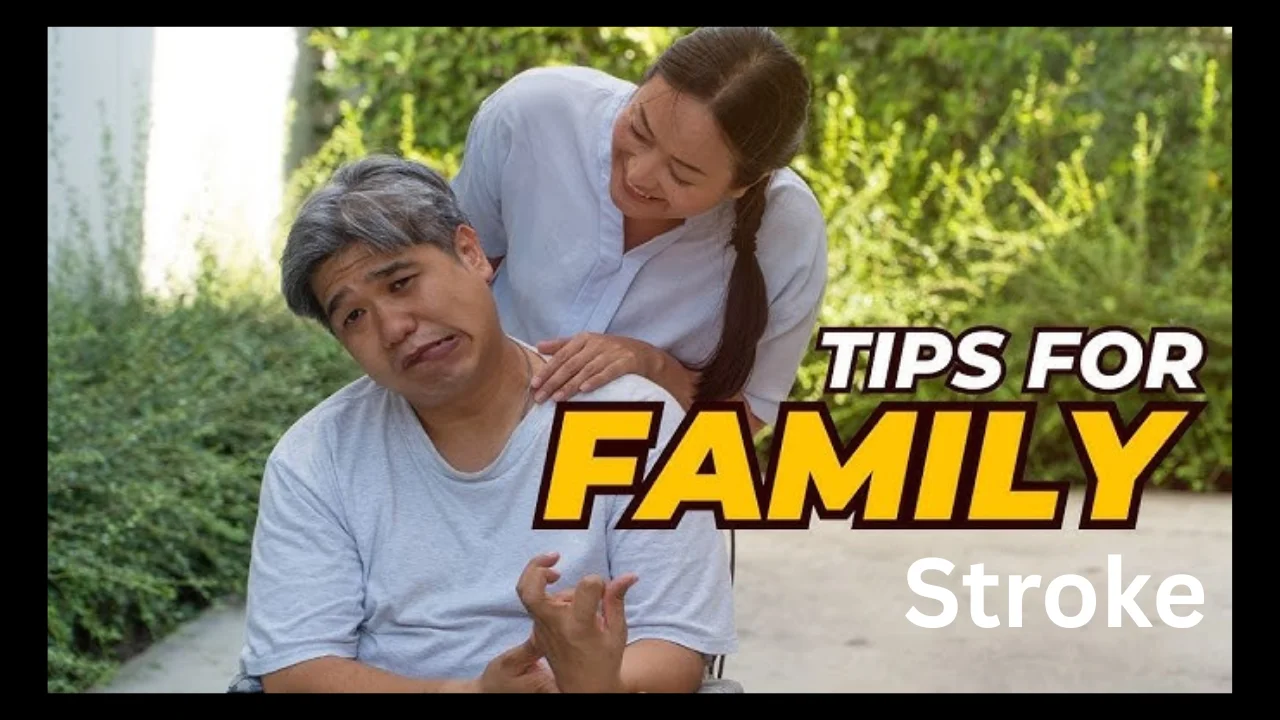
A family stroke is one of the most distressing health emergencies a family can experience. When a stroke happens to a loved one, it affects not only the patient but also everyone in the household. The emotional, physical, and financial challenges can be overwhelming. However, understanding what a stroke is, why it happens, and how to manage it can help families provide the right care and support.
ALSO READ: Markets Review A Reliable Forex Broker
What Is a Stroke?
A stroke occurs when blood flow to a part of the brain is blocked or reduced, preventing brain cells from receiving enough oxygen. Within minutes, these cells start to die. Strokes can cause paralysis, difficulty speaking, memory loss, and other serious complications.
There are two main types of strokes:
- Ischemic stroke: Caused by a blood clot blocking an artery.
- Hemorrhagic stroke: Caused by a blood vessel bursting in the brain.
When a family stroke happens, recognizing the type of stroke helps doctors determine the right treatment.
ALSO READ: Does DFA Accept NSO Birth Certificate 2025
Causes and Risk Factors
Many factors increase the risk of a stroke. Some are lifestyle-related, while others are genetic. Common causes include:
- High blood pressure
- Smoking
- Diabetes
- High cholesterol
- Lack of physical activity
- Excessive alcohol use
- Family history of stroke
If strokes run in the family, the risk becomes higher. A family stroke can often reveal shared genetic risks such as hypertension or heart disease, making it vital for relatives to monitor their health regularly.
Recognizing the Warning Signs
Early recognition of stroke symptoms can save a life. The FAST method is a simple way to identify signs of stroke:
| Letter | Meaning | What to Check |
|---|---|---|
| F | Face | Is one side of the face drooping? |
| A | Arms | Can the person lift both arms? |
| S | Speech | Is speech slurred or strange? |
| T | Time | Call emergency services immediately. |
When a family stroke occurs, acting quickly can mean the difference between recovery and permanent damage. Every minute counts, and emergency medical care must be sought immediately.
Emotional Impact on Families
A family stroke is not just a medical event; it’s an emotional one. Family members often experience fear, anxiety, and uncertainty. Seeing a loved one struggle to speak or walk again can be heartbreaking.
Caregivers may feel helpless, but their role is crucial. Offering emotional support, staying patient, and encouraging small progress can make a huge difference in recovery. Counseling or support groups can also help families manage the emotional burden and prevent caregiver burnout.
The Role of Family in Recovery
After a stroke, recovery begins with rehabilitation. Family members play a key role in this phase. They often assist with physical therapy, speech exercises, and daily routines.
Here are some ways families can support recovery:
- Encourage independence while offering help when needed.
- Maintain a calm, positive home environment.
- Help the patient follow medical advice and take medications on time.
- Celebrate small victories to boost motivation.
A family stroke recovery journey is about teamwork. Family encouragement helps rebuild confidence and hope, both essential for long-term healing.
Medical Treatment and Rehabilitation
Treatment depends on the type and severity of the stroke. In ischemic strokes, doctors may use clot-busting drugs like tPA (tissue plasminogen activator) to restore blood flow. For hemorrhagic strokes, surgery may be needed to repair damaged blood vessels.
Rehabilitation typically involves:
- Physical therapy: To restore movement and strength.
- Occupational therapy: To help perform daily tasks again.
- Speech therapy: To improve communication skills.
- Psychological support: To address emotional changes.
Families should stay informed about these treatments. After a family stroke, being proactive with follow-up appointments and therapy schedules can improve recovery outcomes.
Lifestyle Changes After a Stroke
Preventing another stroke is a major goal after recovery. The entire family can benefit from adopting healthier habits together:
- Eat a balanced diet rich in fruits, vegetables, and whole grains.
- Exercise regularly.
- Avoid smoking and limit alcohol.
- Manage stress through relaxation and mindfulness.
- Monitor blood pressure and cholesterol regularly.
When a family stroke occurs, it’s often a wake-up call to make lasting changes that protect everyone’s health.
Genetic Connection and Prevention
Research shows that genetics can play a big role in stroke risk. If one or more relatives have had a stroke, others in the family may share similar risk factors. This means families should take preventive steps early, even if no symptoms are present.
Regular medical checkups, blood tests, and lifestyle adjustments can greatly reduce the chance of a family stroke happening again. Doctors may recommend medication for high blood pressure, cholesterol, or diabetes to keep the risk under control.
The Importance of Communication
When a loved one has difficulty speaking after a stroke, communication becomes challenging. Family members should be patient and find alternative ways to connect, such as using gestures, pictures, or writing.
Speech therapy sessions can also help restore communication skills. The love and understanding of family members often motivate stroke survivors to keep improving. In a family stroke, patience and empathy are key elements of successful recovery.
Coping with Long-Term Effects
Some stroke survivors recover completely, while others may face long-term challenges like paralysis, memory loss, or emotional changes. Families should be prepared for gradual progress.
Caregivers must also take care of themselves. Exhaustion, depression, or frustration can develop if they don’t rest and seek support. Joining community programs or online groups for families affected by stroke can offer encouragement and practical advice for dealing with daily challenges after a family stroke.
Financial and Practical Considerations
The cost of stroke treatment and recovery can be high, including hospital bills, medications, therapy, and special equipment. Families should plan ahead by checking insurance coverage and exploring financial assistance programs.
Setting up a recovery-friendly home is also essential. Installing ramps, handrails, and easy-access furniture can make daily life safer and more comfortable. Proper planning can help families manage the financial and logistical pressures of a family stroke more effectively.
Technology and Modern Support Systems
Technology now plays a big role in stroke management. Wearable devices can monitor blood pressure and heart rate, alerting families to potential problems. Mobile apps can track medications, therapy schedules, and progress reports.
For families dealing with a family stroke, these tools make care easier and more organized. Virtual consultations with doctors and therapists also save time and reduce stress, allowing families to focus on emotional healing.
Preventing Future Strokes in the Family
Prevention should become a lifelong goal after a family stroke. Everyone in the household should adopt preventive habits together, creating a supportive environment. Regular exercise sessions, healthy meals, and stress-free family time can strengthen both body and mind.
Encouraging family discussions about health also increases awareness. Knowing each other’s blood pressure, glucose levels, and lifestyle habits helps detect risks early and promotes accountability.
Quick Tips for Families Managing Stroke
| Aspect | Family Role | Benefit |
|---|---|---|
| Emergency Response | Learn FAST method | Early treatment saves lives |
| Medication Management | Set reminders for medicines | Prevents complications |
| Emotional Support | Encourage and listen | Boosts patient morale |
| Healthy Living | Eat and exercise together | Reduces future stroke risk |
| Therapy Attendance | Join rehab sessions | Improves recovery consistency |
Frequently Asked Questions
Can a stroke be hereditary?
Yes, a family history of stroke can increase the risk. Genetic factors like hypertension and diabetes often run in families.
How long does stroke recovery take?
Recovery time varies. Some improve within weeks, while others may need months or years of therapy.
What should a family do during a stroke emergency?
Call emergency services immediately, keep the patient still, and note the time symptoms began.
Conclusion
A family stroke can change life in an instant. But with knowledge, compassion, and teamwork, recovery is possible. Families play an essential role in providing care, love, and motivation during the healing process.
By recognizing warning signs early, adopting healthy habits, and supporting each other emotionally, families can turn a traumatic experience into a journey of strength and resilience. Preventing another stroke begins at home—with awareness, unity, and the commitment to a healthier future.