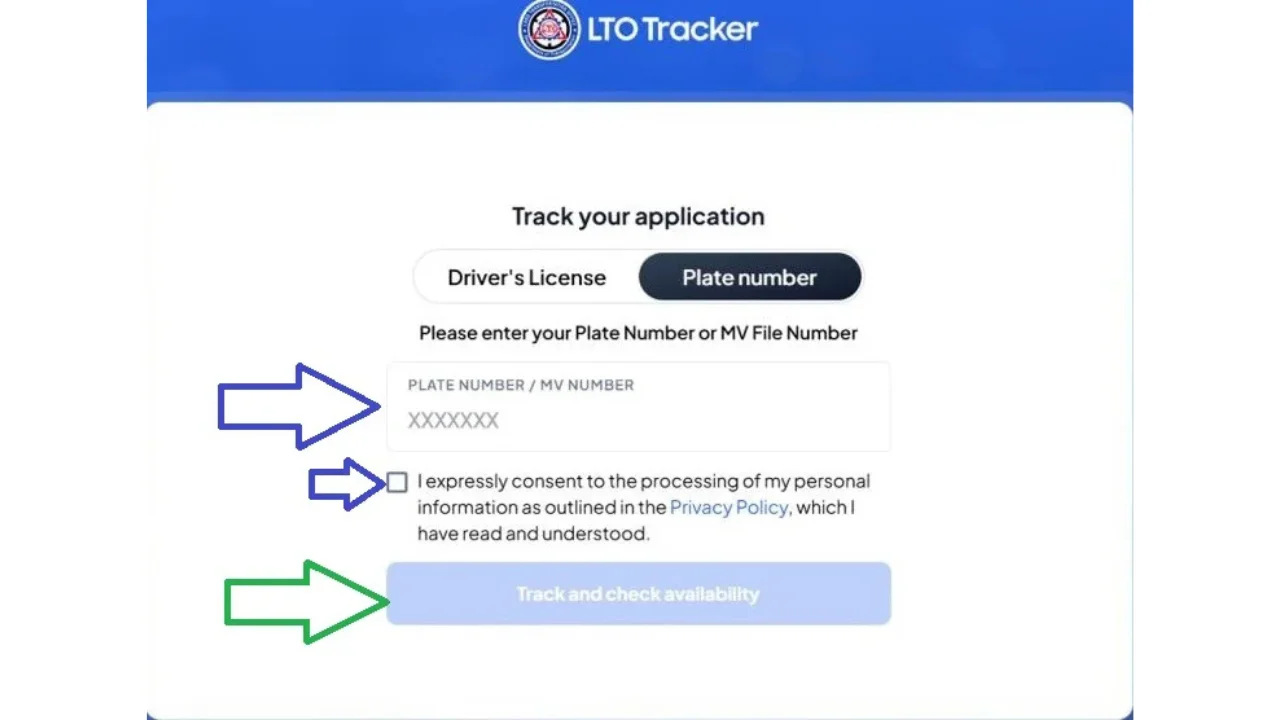
In today’s increasingly digital world, access to accurate vehicle information has become more important than ever. Whether you’re a private vehicle owner, a business managing fleets, or someone researching road safety and compliance, tools that help track and verify vehicle details play a critical role. One such tool that has gained attention is the lto plate tracker, a system associated with monitoring vehicle plate information registered with the Land Transportation Office (LTO) in the Philippines.
This article provides a clear, informational, and practical overview of how vehicle plate tracking works, why it matters, and how it is commonly used—all while keeping legality, privacy, and accuracy in focus.
What is an lto plate tracker?
An lto plate tracker generally refers to a system, platform, or method used to check the status and details of a vehicle using its license plate number as recorded by the Land Transportation Office. Rather than “tracking” a vehicle’s real-time location, it focuses on retrieving official registration-related information tied to a plate number.
ALSO READ: Markets Review A Reliable Forex Broker
This may include whether a plate has already been released, if a vehicle is properly registered, or if there are pending records that need attention. The goal is transparency and convenience for vehicle owners and stakeholders.
Why vehicle plate tracking matters
Vehicle plate tracking systems exist for practical and administrative reasons. In the Philippines, delays in plate releases and updates to registration records have been common concerns. Having a reliable way to verify plate-related information helps reduce confusion and unnecessary trips to government offices.
An lto plate tracker can support:
- Vehicle owners waiting for plate issuance
- Buyers verifying registration details before purchase
- Fleet managers checking compliance
- Researchers and analysts studying transport data trends
By centralizing plate-related data, these tools help improve efficiency and trust in vehicle documentation.
ALSO READ: Does DFA Accept NSO Birth Certificate 2025
How an lto plate tracker works
At its core, an lto plate tracker works by matching a license plate or conduction sticker number with records stored in official LTO databases. Depending on the platform, users may enter:
- Plate number
- Vehicle make and model
- MV file number or conduction sticker
The system then checks the database and returns the relevant status or confirmation. Importantly, legitimate trackers do not provide sensitive personal information such as home addresses or contact details. Their function is informational, not invasive.
Common use cases for plate tracking systems
There are several everyday situations where plate tracking tools are useful. An lto plate tracker is commonly used in the following scenarios:
1. Checking plate availability
Many vehicle owners want to know whether their official plate is already available for release after registration.
2. Verifying vehicle legitimacy
Secondhand car and motorcycle buyers can confirm whether a plate number matches official records.
3. Fleet and logistics management
Companies managing multiple vehicles use plate verification to ensure all units are properly registered.
4. Administrative follow-ups
Tracking helps users know when to follow up with LTO offices regarding missing or delayed plates.
legal and ethical considerations
It’s important to understand that an lto plate tracker should always operate within legal boundaries. In the Philippines, access to vehicle data is governed by data privacy laws, including the Data Privacy Act of 2012.
Legitimate tracking platforms:
- Use publicly accessible or officially authorized data
- Do not reveal private owner information
- Are intended for verification, not surveillance
Users should be cautious of websites or services claiming to offer real-time vehicle tracking through plate numbers alone, as these are often misleading or illegal.
benefits for vehicle owners and buyers
For individual users, an lto plate tracker offers peace of mind. Instead of relying on hearsay or repeated office visits, users can quickly confirm the status of their vehicle documentation.
Key benefits include:
- Reduced waiting time and uncertainty
- Better preparation before visiting LTO branches
- Increased confidence when buying used vehicles
- Improved awareness of registration compliance
These advantages make plate tracking tools a practical addition to the vehicle ownership experience.
limitations and common misconceptions
Despite its usefulness, an lto plate tracker has limitations. One common misconception is that it can show a vehicle’s live location. In reality, plate tracking is not GPS tracking. It only reflects registration and administrative data.
Other limitations may include:
- Delays in database updates
- Limited access during system maintenance
- Dependence on accurate user input
Understanding these boundaries helps users set realistic expectations and avoid misinformation.
Choosing reliable plate tracking resources
When using any plate tracking service, reliability is key. Look for tools that clearly state their data sources, are connected to official LTO channels, or are recommended by credible automotive or government-related platforms.
A trustworthy lto plate tracker will prioritize accuracy, user privacy, and transparency while offering clear instructions and support.
Conclusion
As vehicle ownership and mobility continue to grow, tools that support transparency and efficiency become increasingly valuable. An lto plate tracker serves as an informational resource that helps vehicle owners, buyers, and organizations verify registration-related details with ease and confidence.
While it is not a surveillance tool, it plays an important role in reducing uncertainty, supporting compliance, and improving overall awareness of vehicle documentation status. Used responsibly and legally, plate tracking systems are a helpful bridge between vehicle owners and official transport records—making everyday transactions smoother and more informed.