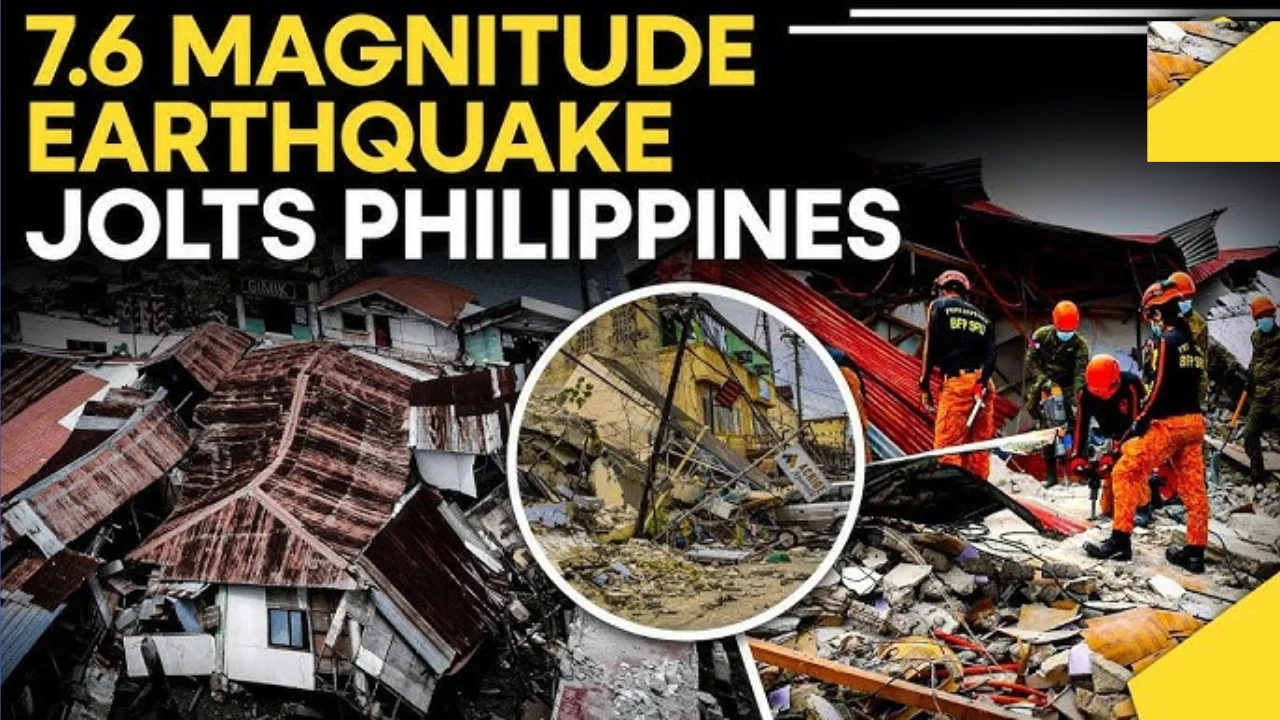
The Philippines is one of the most earthquake-prone countries in the world, and Mindanao is no exception. Located along the Pacific Ring of Fire, the island regularly experiences seismic activity that ranges from minor tremors to powerful quakes. A mindanao earthquake is not just a geological occurrence—it is an event that can significantly impact communities, infrastructure, and livelihoods across the region.
Understanding why earthquakes happen in Mindanao and how people can prepare for them is essential for residents, business owners, and travelers alike.
Why Mindanao Experiences Frequent Earthquakes
Mindanao lies near several active fault systems, including segments of the Philippine Fault and the Cotabato Fault System. The entire Philippines sits between major tectonic plates, particularly the Philippine Sea Plate and the Eurasian Plate. When these massive plates move, collide, or slide past each other, energy is released in the form of earthquakes.
Because of this tectonic setting, a mindanao earthquake can occur without much warning. Some earthquakes originate deep underground, while others are shallow and cause stronger ground shaking at the surface. Offshore trenches also contribute to seismic activity, occasionally raising concerns about potential tsunamis.
ALSO READ: Does DFA Accept NSO Birth Certificate 2025
The region’s geological complexity makes continuous monitoring crucial. Scientists closely track seismic movements to better understand patterns and minimize risks.
History of Major Earthquakes in Mindanao
Over the years, several significant earthquakes have struck Mindanao. These events have caused widespread damage to buildings, roads, and public facilities. In October 2019, a powerful series of quakes hit parts of Cotabato and nearby provinces. Thousands of families were displaced, and many structures were declared unsafe.
Such events demonstrate how one strong mindanao earthquake can trigger numerous aftershocks. Aftershocks sometimes continue for weeks, prolonging fear and disruption. In some cases, landslides have buried homes in mountainous areas, while urban centers have experienced structural damage to commercial buildings.
Historical records show that Mindanao’s seismic activity is not new. Decades of documented earthquakes highlight the island’s ongoing vulnerability, reinforcing the importance of disaster preparedness and resilient infrastructure.
ALSO READ: Markets Review A Reliable Forex Broker
Immediate Effects on Communities
When a mindanao earthquake strikes, the impact is often immediate and intense. Buildings may crack or collapse, especially if they were not constructed according to earthquake-resistant standards. Roads and bridges can become impassable, delaying rescue and relief operations.
Power outages are common after strong shaking, and communication lines may temporarily fail. Schools and offices typically suspend operations while authorities inspect structures for safety. Hospitals often face a surge of patients, from minor injuries to more serious trauma cases.
Beyond physical damage, earthquakes also affect emotional well-being. Families may be forced into evacuation centers, uncertain about when they can safely return home. Children and elderly residents are particularly vulnerable to stress and anxiety following a strong mindanao earthquake.
Economic Consequences and Recovery
The economic cost of a major earthquake can be substantial. Local businesses may shut down temporarily due to damaged facilities or supply chain disruptions. Farmers can suffer losses if irrigation systems, storage warehouses, or transportation routes are affected.
Tourism, an important sector in several Mindanao provinces, may decline after reports of a destructive mindanao earthquake. Visitors often postpone trips due to safety concerns, impacting hotels, restaurants, and tour operators.
However, recovery efforts often bring opportunities for rebuilding stronger communities. Government agencies and private organizations collaborate to reconstruct damaged infrastructure using updated safety standards. Over time, these improvements enhance the region’s overall resilience against future seismic events.
Earthquake Monitoring and Early Warnings
In the Philippines, earthquake monitoring is conducted by the Philippine Institute of Volcanology and Seismology (PHIVOLCS). The agency operates a network of seismic stations that detect ground movement across the country, including Mindanao.
When a mindanao earthquake occurs, experts quickly determine its magnitude, depth, and epicenter. Authorities then release advisories about potential aftershocks and, if necessary, tsunami risks. Rapid communication through media channels and digital platforms helps inform the public in real time.
Although earthquakes cannot be predicted with exact precision, monitoring systems provide valuable information that supports emergency response and public awareness.
How to Prepare for an Earthquake in Mindanao
Preparation is the most effective defense against earthquake risks. While no one can prevent a mindanao earthquake, individuals and communities can reduce potential harm through practical measures.
At home, securing heavy furniture and appliances can prevent injuries during strong shaking. It is also wise to inspect the structural integrity of houses, especially older buildings. Families should prepare emergency kits containing drinking water, non-perishable food, flashlights, batteries, a first-aid kit, and copies of important documents.
During an earthquake, safety experts recommend the “Drop, Cover, and Hold On” technique. This means dropping to the ground, taking cover under sturdy furniture, and holding on until the shaking stops. Afterward, people should move to open areas away from buildings, trees, and electrical lines.
Community-wide drills are equally important. Schools, offices, and local governments regularly conduct earthquake simulations to ensure everyone understands evacuation routes and safety procedures.
Building Long-Term Resilience
Reducing the impact of a future mindanao earthquake requires long-term planning. Strict enforcement of building codes, proper land-use management, and public education campaigns all play essential roles in disaster risk reduction.
Urban planning must consider seismic hazards, especially in densely populated areas. Investing in earthquake-resistant infrastructure not only protects lives but also minimizes economic losses. Continuous research and collaboration among scientists, engineers, and policymakers strengthen the region’s preparedness.
Mindanao’s history of seismic events has shaped a culture of resilience. Communities repeatedly demonstrate their ability to recover, rebuild, and adapt. By combining scientific knowledge with community cooperation, the island can face future challenges with greater confidence.
Conclusion
A mindanao earthquake is a powerful reminder of the region’s geological reality. While earthquakes are inevitable, their impact can be reduced through awareness, preparation, and resilient development. Understanding the causes, learning from past experiences, and implementing strong safety measures are key to protecting lives and property.