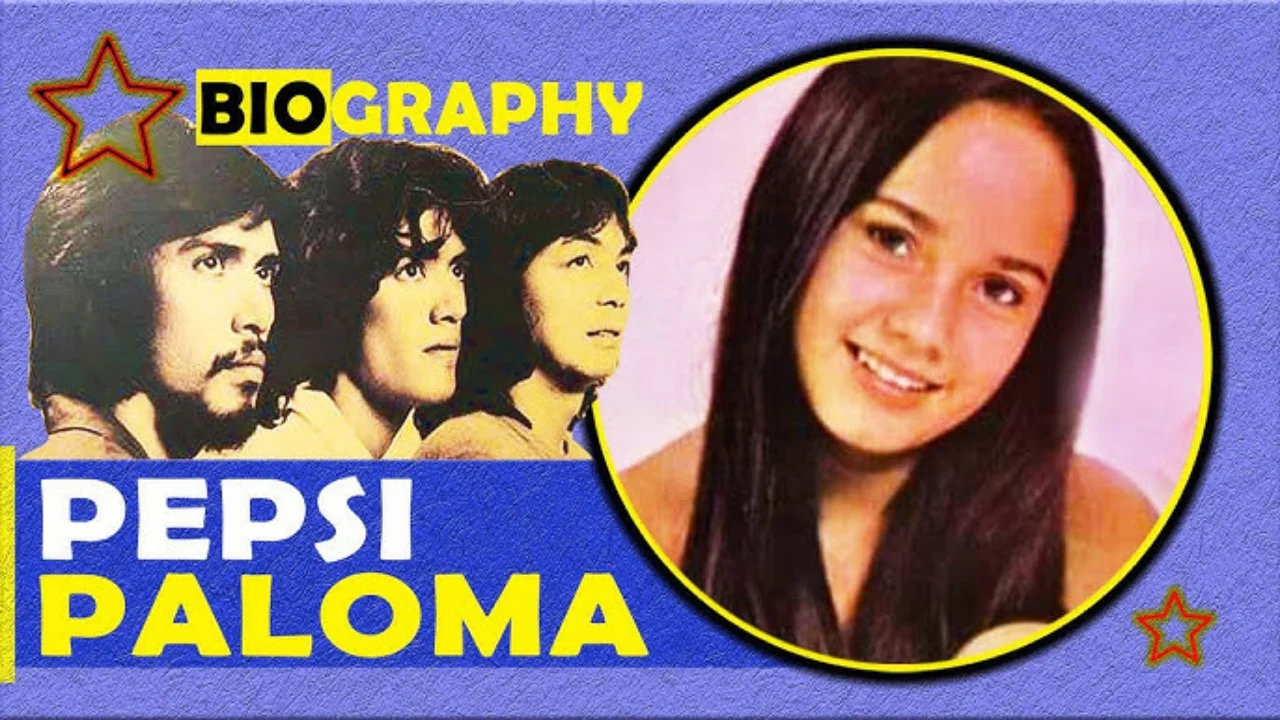
Pepsi Paloma was a Filipino dancer and actress whose brief but highly publicized career left a lasting imprint on Philippine popular culture. Active in the early 1980s, she became widely known through dance performances and film roles that reflected the era’s fascination with bold. Expressive entertainment. Although her time in the spotlight was short, her story continues to be discussed decades later. Both for her work in show business and for the broader conversations her life sparked about fame, power, and media influence.
Who is Pepsi Paloma?
Pepsi Paloma was a Filipino dancer and actress who became well known in the early 1980s Philippine entertainment scene. Born Delia Dueñas Smith in 1966, she rose to fame at a very young age through dance performances. Appearances in films that were popular—and often controversial—during that era.
She was recognized for her bold screen presence and became a familiar name in nightlife shows and movies that emphasized dance and adult-oriented themes, which were commercially successful at the time. Her rapid rise also brought intense media attention, placing her under heavy public scrutiny while she was still a teenager.
| Field | Details |
|---|---|
| Stage Name | Pepsi Paloma |
| Birth Name | Delia Dueñas Smith |
| Date of Birth | March 11, 1966 |
| Place of Birth | Philippines |
| Nationality | Filipino |
| Occupation | Dancer, Actress |
| Years Active | Early 1980s |
| Known For | Dance performances and film roles in 1980s Philippine cinema |
| Age at Peak Fame | Teen years |
| Date of Death | May 31, 1985 |
| Age at Death | 18 years old |
| Legacy | Cultural figure often referenced in discussions about media ethics, fame, and performer protection |
Early Life
Born Delia Dueñas Smith in 1966, Pepsi Paloma entered the entertainment world at a young age. Like many aspiring performers of her generation, she was drawn to dance and stage performance. Which served as a common pathway into film and television in the Philippines during the late 1970s and early 1980s.
She adopted the screen name “Pepsi Paloma,” a catchy and memorable moniker that helped her stand out in a competitive industry. The name quickly became recognizable, especially in nightlife venues and performance circuits where dance numbers were a central attraction.
ALSO READ: Does DFA Accept NSO Birth Certificate 2025
Rise to Fame in the Early 1980s
Pepsi Paloma gained popularity as part of a group of young female performers often associated with dance-heavy, adult-oriented films of the period. These movies, while controversial, were commercially successful and played a significant role in shaping the careers of many entertainers at the time.
Her on-screen persona was confident and expressive, matching the bold tone of the films she appeared in. Audiences recognized her for her dancing skills, stage presence, and willingness to take on roles that pushed social boundaries. Within a short period, her name became widely known, especially among urban moviegoers.
Media Attention
As her visibility increased, so did media attention. Pepsi Paloma’s career unfolded during a time when the Philippine entertainment press was highly sensational, often blurring the line between professional reporting and personal intrusion. Young actresses, in particular, were frequently subjected to intense scrutiny.
The attention surrounding her life extended beyond her performances and into her personal experiences. Discussions about her treatment within the industry later became part of a much larger public conversation. About the vulnerabilities faced by young performers, especially women, in positions with limited power.
ALSO READ: Markets Review A Reliable Forex Broker
Tragic Death and Immediate Aftermath
In 1985, Pepsi Paloma died at the age of 18. Her death shocked the public and effectively ended a career that had risen quickly but burned out just as fast. News of her passing dominated headlines and sparked widespread speculation, reflection, and debate.
At the time, reactions ranged from grief to outrage, with many people questioning the pressures placed on young entertainers and the responsibilities of those who held influence in the industry. Her death became one of the most talked-about events in Philippine show business history during that decade.
Legacy in Philippine Pop Culture
Decades later, Pepsi Paloma remains a frequently referenced figure in discussions about 1980s Philippine cinema. She is often cited as a symbol of both the era’s flamboyant entertainment style and its darker realities.
Her story has been revisited in documentaries, articles, interviews, and online discussions. particularly as public awareness has grown around issues such as performer welfare. consent, and ethical responsibility in media industries. While opinions about her films may differ, there is broader agreement today that her life highlights systemic problems that extend beyond any single individual.
Why Her Story Still Matters
Pepsi Paloma’s life continues to resonate because it intersects with themes that remain relevant. the cost of fame, the exploitation of youth. The power imbalance between rising performers and established figures. Modern audiences often look back on her story not only as entertainment history, but as a cautionary tale.
In recent years, renewed interest in accountability and transparency in entertainment has brought her name back into public conversations. For many, remembering Pepsi Paloma is also about acknowledging lessons learned—and lessons still to be learned—within creative industries.
Conclusion
Pepsi Paloma was more than a headline or a controversy. She was a young dancer and actress navigating a demanding industry at a vulnerable age. Though her career was brief, her impact endures through ongoing cultural reflection and dialogue. Today, her name stands as a reminder of both the glitter and the gravity of life in the public eye. Ensuring that her story is not forgotten.