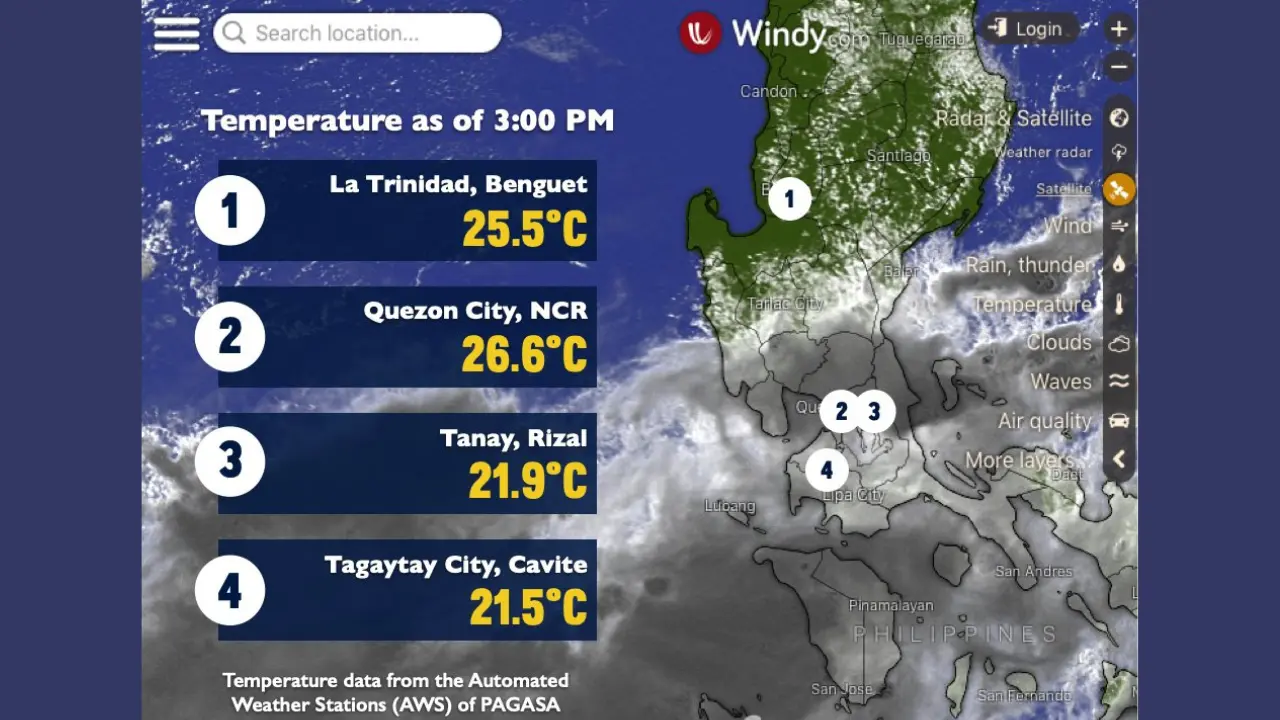
Quezon City is one of the busiest and most dynamic areas in Metro Manila. From government offices and universities to shopping centers and residential communities, daily life here is deeply influenced by climate conditions. Understanding the weather quezon city is essential for residents, workers, students, and tourists who want to plan their days efficiently and stay safe throughout the year.
The city experiences a tropical monsoon climate, which means warm temperatures, high humidity, and distinct wet and dry seasons. While it does not have four traditional seasons like temperate countries, its seasonal shifts are still significant and can affect transportation, outdoor activities, and even health.
Overview of Quezon City’s Climate
The weather quezon city follows a tropical pattern characterized by consistently warm temperatures. Average daily temperatures typically range between 25°C and 34°C. Even during cooler months, temperatures rarely drop below 23°C. Humidity levels remain high throughout the year, which can make it feel warmer than the actual temperature.
ALSO READ: Does DFA Accept NSO Birth Certificate 2025
Because Quezon City is located slightly inland compared to coastal parts of Metro Manila, it can feel less breezy at times. The dense urban environment, combined with heavy traffic and infrastructure, can also contribute to warmer surroundings, especially during peak summer months.
The Wet Season: Rain, Thunderstorms, and Typhoons
The rainy season usually begins in June and extends until November. During the rainy months, the weather quezon city can change rapidly within a single day. Sunny mornings may turn into heavy afternoon downpours, often accompanied by thunderstorms.
This period is heavily influenced by the southwest monsoon, locally known as “Habagat.” Continuous rains can sometimes last for hours or even days, particularly when a low-pressure area or typhoon strengthens the monsoon flow. Flooding may occur in low-lying areas, and traffic congestion tends to worsen during heavy rainfall.
Typhoons are another factor to consider. While not every storm directly hits Metro Manila, many pass close enough to bring strong winds and intense rain. Schools and offices may suspend operations when severe weather warnings are issued. Staying updated through reliable forecasts and official advisories is especially important during these months.
The Dry Season: Cooler Months and Intense Summers
The dry season typically runs from December to May. Early in this period, from December to February, slightly cooler air arrives due to the northeast monsoon or “Amihan.” Mornings and evenings during these months can feel more comfortable, with less intense heat compared to the peak summer period.
In summer, the weather quezon city becomes noticeably hotter, especially from March to May. April and May are usually the warmest months of the year. The heat index can rise to uncomfortable or even dangerous levels, particularly during midday. Prolonged exposure to high temperatures can lead to dehydration, heat exhaustion, or heatstroke if precautions are not taken.
Residents often adapt by wearing lightweight clothing, drinking plenty of water, and limiting outdoor activities during the hottest hours of the day. Air-conditioned spaces such as malls, offices, and cinemas become popular spots to escape the heat.
Urban Heat and Environmental Factors
As a highly urbanized area, Quezon City experiences what experts call the urban heat island effect. Buildings, roads, and other concrete surfaces absorb and retain heat, causing temperatures to feel higher than in nearby rural areas. Limited green spaces in some districts also contribute to warmer surroundings.
Because of climate change, the weather quezon city has shown signs of increasing unpredictability. Some rainy seasons bring heavier downpours than expected, while certain dry seasons experience prolonged periods of extreme heat. These changes highlight the need for climate awareness, proper drainage systems, and sustainable urban planning.
Tree planting initiatives, park development, and environmentally friendly construction projects are steps that can help reduce heat buildup and improve overall comfort in the city.
Daily Life and Commuting
Weather conditions directly affect daily routines. Monitoring the weather quezon city helps commuters prepare for possible delays, especially during the rainy season. Heavy rain often leads to slower traffic flow, reduced visibility, and longer travel times.
ALSO READ: Markets Review A Reliable Forex Broker
Motorists need to drive more cautiously on slippery roads, while commuters relying on public transportation may experience extended waiting periods. On extremely hot days, commuting can also be physically exhausting, particularly for those who travel long distances without consistent access to air-conditioned vehicles.
By checking forecasts before leaving home, residents can bring umbrellas, raincoats, or sun protection as needed. Small preparations can make a significant difference in comfort and convenience.
Impact on Businesses and Activities
Local businesses also adjust their strategies based on seasonal patterns. Businesses also respond to the weather quezon city by promoting products suited for each season. During summer, stores highlight cooling appliances, fans, and refreshing beverages. In contrast, the rainy season increases demand for umbrellas, waterproof footwear, and rain jackets.
Outdoor events, community festivals, and weekend markets are often scheduled with weather forecasts in mind. Sudden rain showers can disrupt open-air gatherings, so organizers closely monitor updates before finalizing plans.
Families planning recreational activities, such as visits to parks or food trips, benefit from staying informed. Clear skies make outdoor exploration enjoyable, while stormy forecasts may encourage indoor alternatives.
The Role of Technology in Weather Monitoring
Accessing accurate and real-time weather information has never been easier. Smartphone apps, news websites, and official government social media accounts provide hourly forecasts, radar images, and severe weather alerts. These tools help residents make informed decisions quickly.
Weather updates are particularly critical during typhoon season. Early warnings allow families to secure their homes, prepare emergency kits, and avoid unnecessary travel. Timely information can reduce risks and enhance overall safety.
Conclusion
Quezon City’s tropical climate is a defining part of everyday life. From sunny mornings to sudden thunderstorms, weather conditions influence how people work, travel, and relax. By staying updated on the weather quezon city, residents can better prepare for seasonal shifts and unexpected changes.
Understanding patterns, taking preventive measures during extreme heat or heavy rain, and using reliable forecasting tools all contribute to safer and more comfortable living. Whether it’s planning your commute, organizing an event, or simply deciding what to wear, awareness of the weather quezon city ensures you are always one step ahead.